Information service of the Pontifical Mission Societies since 1927
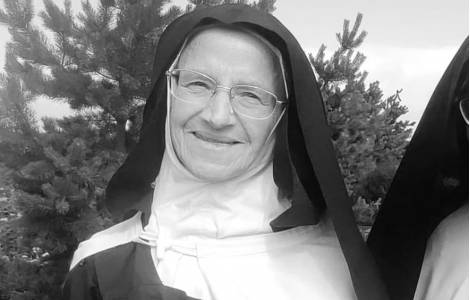
Astana (Agenzia Fides) - "On August 18, 2025, at 4:55 p.m., Mother Ioanna Teterych, foundress and first prioress of the Carmel in Ozërnoe, returned to the Lord." With these words, Archbishop Tomasz Peta of Astana, Kazakhstan, announced the death of the first Carmelite nun to arrive in the land of the steppes.
Sister Ioanna's funeral will take place this afternoon, Wednesday, August 20, in Ozërnoe. The presence of the Carmelite nuns in this land, a crossroads of peoples, dates back to the 1990s. The first two sisters of the Order of Discalced Carmelite Order came to Kazakhstan in 1996 from Tryszczyń (near Bydgoszcz) in Poland at the invitation of the then Apostolic Administrator in Kazakhstan and Central Asia, Bishop Jan Pawel Lenga.
After previously exploring the possibility of establishing a Carmelite monastery and purchasing an abandoned kindergarten in Karaganda in 1997, the sisters settled in Kazakhstan in early April 1998, more precisely on April 7. On that day, the first Holy Mass was celebrated in the new sacred space. Since then, the Eucharist and the Liturgy of the Hours have been celebrated daily in the monastery.
The former kindergarten underwent extensive renovation and reconstruction. A few years later, a new chapel dedicated to the Holy Trinity and the Immaculate Conception was built. It was consecrated with a solemn Mass by Bishop Jan Pawel Lenga on December 6, 2000. Eight years later, Bishop Lenga announced the canonical recognition of the monastery.
Since 2001, the Carmelite community has received authorization from the Holy See to receive and train candidates for Carmel. Later, the monastery was founded in Ozernoe, a village familiar to many Catholics in Central Asia because it is home to the shrine where the Virgin Mary is venerated under the title "Queen of Peace," who was proclaimed patron saint of the country a few years ago.
According to the desire of Saint Teresa of Avila, the entire life of a Discalced Carmelite, all her prayers, sacrifices, and works, should be dedicated to the concerns of the Church, priests, and the salvation of every person. She left her spiritual daughters some very powerful words as a legacy: "If your prayers, your desires, your mortifications, and your fasting do not achieve what I have spoken of, do not think you are fulfilling the purpose for which the Lord has gathered you in this place!" (The Way of Perfection, 3:10). To achieve this, she established a small number of sisters (so they could get to know each other), a life of recluses but in community (to avoid illusions and in genuine communication with the sisters, to test their love for God and neighbor), and finally a life of strict isolation in order to—according to the original rule—"meditate day and night on the law of the Lord."
In Carmel, liturgical prayer is intertwined with work (usually in solitude). Seven times a day, the sisters gather in choir to celebrate the Liturgy of the Hours together. Two hours (morning and evening) are dedicated to interior and silent prayer in the presence of Jesus in the Eucharist. Saint Teresa taught that "intellectual (mental) prayer is nothing other than a friendly conversation or simply being with God, whom we know and are deeply convinced loves us."
The remaining time is devoted to the needs of the local Church: sewing and embroidering liturgical vestments, preparing the hosts for Holy Mass, and, last but not least, the care and maintenance of the monastery. The sisters of the Carmelite Order take vows of chastity, poverty, and obedience. (F.B.) (Agenzia Fides, 20/8/2025)