Information service of the Pontifical Mission Societies since 1927
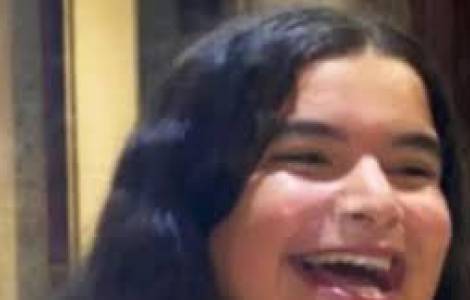
Rome (Agenzia Fides) – “Pasco”, as she was affectionately known, was 18 years old and attended the church of St. Cyril in Korba Heliopolis, a neighborhood of Cairo, Egypt. On Friday evening, while returning by bus with her companions from a pilgrimage to Artena, a city 30 kilometers from Rome, her heart stopped.
At the Circus Maximus, she had been able to participate in the penitential rite of the Jubilee of Youth and received the Sacrament of Confession for the last time.
Pascale Rafic was part of the Greek-Melkite Catholic group that made the pilgrimage with Bishop Jean-Marie Chami from Cairo to participate in the Jubilee of Youth. In the Eternal City, the young woman passed from earthly pilgrimage to eternal life. A destiny shared with María Cobo Vergara, the twenty-year-old Spanish woman who also died in Rome during the Youth Jubilee, who lived her faith in the parish of Our Lady of Peace in Madrid.
The more than 50 Egyptian Greek-Melkite boys and girls (see Fides, 23/7/2025) had prepared with Pascale for the days in Rome with a spiritual journey through places linked to the events and figures of Italian saints: St. Pius in San Giovanni Rotondo, St. Francis and St. Clare in Assisi, and the young Carlo Acutis.
"Daily Eucharist and adoration of the Blessed Sacrament will be the focus of our days," Bishop Chomi announced to Fides.
According to her friends, Pascale, who had just finished high school, wanted to be a physiotherapist. She was an only child. She was also a scout and attended catechism classes. She was very happy with her experience in Rome.
The exact cause of her death will be clarified through an autopsy. Meanwhile, the words that have helped everyone clarify the mystery of this death, this shock of pain that occurred in the midst of days filled with the promise of happiness, were those addressed by Pope Leo XIV to Pascale's pilgrim companions.
The Pontiff personally blessed the young people of this Egyptian group during a meeting with them on the morning of Saturday, August 2. “Of course, the sadness that death brings to all of us is something that is very human and very understandable, especially being so far away from home and on an occasion like this when we really come together to celebrate our faith with joy. And then all of a sudden, we are reminded in a very powerful way, that our life is not superficial nor do we have control over our own lives nor do we know as Jesus himself says, neither the day nor the hour when for some reason our earthy life ends. But as we also learn in the Gospel, what Martha and Mary discovered when their brother Lazarus had died, and when Jesus was not with them at first but then came several days after his death, and their understanding was that Jesus is life and resurrection,” the Pope explained.
“And so in a certain way,” the Bishop of Rome continued, “as we celebrate this Jubilee year of hope, we are reminded in a very powerful way how much our faith in Jesus Christ needs to be part of who we are, of how we live, of how we appreciate and respect one another, and especially of how we continue to move forward in spite of such painful experiences.”
Pope Leo also quoted St. Augustine: “He tells us that when someone dies of course it is very human and very natural to cry, to feel that pain, to feel the loss of someone who is dear to us, and yet he also says, do not mourn as pagans do, because we too have seen Jesus Christ die on the cross and rise from the dead. And it is our hope in the resurrection, that is the ultimate source of our hope, and we speak about a Jubilee Year of Hope, our hope is in Jesus Christ who is risen.” (PR) (Agenzia Fides, 3/8/2025)