Information service of the Pontifical Mission Societies since 1927
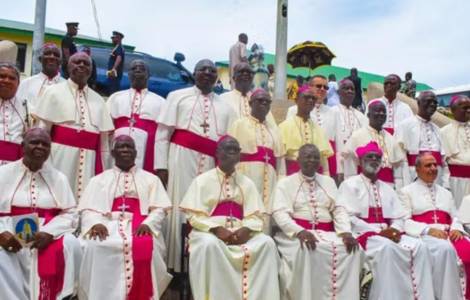
Accra (Fides News Agency) – Environmental damage caused by illegal mining, rising drug trafficking, growing indiscipline among students, and ongoing intercommunal conflicts and tensions are among the main concerns raised by the Bishops of Ghana in a statement issued at the end of their annual Plenary Assembly.
The meeting was held at the Divine Providence Pastoral Centre in Jamasi, in the Diocese of Konongo-Mampong, Ashanti Region, from November 3 to 14, 2026. Its theme was: “Communion, Participation and Mission: Preparing the Catholic Church in Ghana for Its 150th Anniversary in 2030”.
The Bishops reiterated their concern over “the damage caused by illegal and irresponsible mining (galamsey), particularly the pollution of waterways, the destruction of forest reserves, the degradation of agricultural land and threats to public health”.
The Bishops call for a state of emergency to be declared in the areas most severely affected by illegal mining, in order to promote responsible and environmentally sustainable mining practices.
“Regulatory bodies, security agencies, traditional authorities, religious leaders and all citizens must pool their efforts and resources to defeat this common enemy. The fight against galamsey must address networks of complicity, provide sustainable alternative livelihoods and promote community participation in environmental protection,” they stated.
The recent seizure in France of three tonnes of cocaine from a Ghanaian port (see Fides, 23/9/2026) has once again drawn attention to the worrying scale of drug trafficking involving Ghana. The Bishops denounce “alarming levels of drug trafficking and substance abuse”, which pose a threat to public health, family stability, the development of young people and national security.
“We urge the relevant authorities to step up intelligence-led law enforcement, including the application of appropriate sanctions and stronger border controls, while also strengthening public education and rehabilitation services. Families, schools and religious institutions must likewise reinforce preventive education and support for those affected by substance dependence,” the Bishops said.
“Of particular concern is the growing indiscipline in some educational institutions, including even some of our own faith-based schools,” the statement continued. The Bishops listed several incidents, including “violence, disrespect for authority, examination malpractice and acts of vandalism”.
They also described as deeply distressing reports of sexual abuse involving minors in schools, allegedly perpetrated by adults entrusted with their care. Such behaviour, they stressed, undermines the educational mission of schools and the moral foundations of society. The members of the Episcopal Conference therefore called on the authorities to conduct thorough investigations into these cases.
“We are deeply troubled by the continuing conflicts and tensions between communities in various parts of the country, particularly in Bawku and Kalba-Gbinyiri,” the statement continued. These long-standing conflicts (see Fides, 4/8/2025) have claimed lives and undermined social cohesion.
“While acknowledging the recent reduction in violence in these areas, we urge all parties to exercise restraint, renounce violence and embrace dialogue, reconciliation and peaceful coexistence,” the statement said.
At the ecclesial level, the Episcopal Conference has also outlined a programme of preparation for the celebrations marking 150 years of evangelization in Ghana. Entitled “A Journey of Faith, Mission and Hope”, the program will dedicate each of the next three years to one Person of the Most Holy Trinity, in preparation for the 2030 anniversary:
2027: Year of Jesus Christ, the Son of God;
2028: Year of the Holy Spirit;
2029: Year of God the Father.
The year 2030 will mark the culmination of the celebrations. The date for the official launch of the initiatives will be announced at a later stage.
(L.M.) (Fides News Agency, 16/11/2026)