Information service of the Pontifical Mission Societies since 1927
Consórcio de Associações com Moçambique Onlus
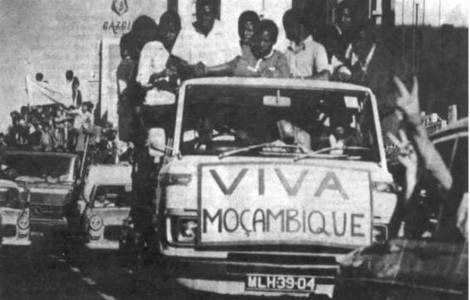
Maputo (Fides News Agency) – On June 25, 1975, Mozambique declared its independence from Portugal, establishing a presidential republic with Samora Machel as its first President and the Front for the Liberation of Mozambique (FRELIMO) as the ruling party.
The war for independence had begun in 1964, with FRELIMO as its main anti-Portuguese force. After decades of conflict, culminating in a prolonged and bloody civil war, the country reached a turning point in 1992 with the signing of the Rome Peace Accords.
Today, however, Mozambique marks the 51st anniversary of its independence amid widespread corruption, poverty, deep political instability, and an armed insurgency linked to jihadist-inspired militias in the northern province of Cabo Delgado (see Fides, 6/5/2026). For many Mozambicans, economic, social and moral independence remains an unfulfilled promise. The country possesses vast natural resources, including natural gas, coal, rubies, gold, graphite, timber and fertile land. Yet the overwhelming majority of the population continues to live in poverty. Conditions have deteriorated from poverty to extreme deprivation, making Mozambique the second poorest country in the world. Corruption has become one of the greatest obstacles to genuine national independence. Hospitals lack even basic medicines, while schools are without desks or textbooks.
“A growing wave of social inequality is taking hold,” says a local source. “While a small elite amasses wealth and enjoys extravagant luxury, thousands of families live in neighborhoods without sanitation, electricity or security. Children attend classes sitting on the ground. Women walk for miles in search of water. Sick people die because they cannot access adequate medical care.”
Terrorism in Cabo Delgado continues to claim lives, cause population displacements, and destroy entire communities (see Fides 12/5/2026). Thousands of families have lost their homes, their livelihoods and their loved ones. Fear and uncertainty have become part of everyday life for many Mozambicans.
Alarming developments have also affected the religious sphere. On June 6, Bishop Osório Citora, IMC, of Quelimane was brutally murdered. He was known as a gentle and compassionate pastor who stood in solidarity with the people and spoke out against every form of injustice (see Fides, 6/6/2026).
“Mozambicans are exhausted. True independence must be reflected in human dignity, equal opportunities, respect for fundamental rights and a genuine commitment to the common good,” local media wrote. “As long as abuses of power, corruption, political manipulation, nepotism, hypocrisy, social injustice and indifference to the suffering of the people persist, independence will remain incomplete.
Mozambique urgently needs a new national conscience, based on honesty, patriotism, solidarity and collective responsibility. Such change requires leaders committed to the truth and citizens actively engaged in defending justice and the common good.” (AP) (Fides News Agency, 28/6/2026)