Information service of the Pontifical Mission Societies since 1927
CODE
Nampula (Fides News Agency) – Fifty years after independence, Mozambique has made significant progress in expanding access to education, extending its school network to rural and peri-urban areas. However, serious challenges remain, affecting the quality of education and the prospects of younger generations. This is the picture that emerges from a recent publication shared with Fides News Agency.
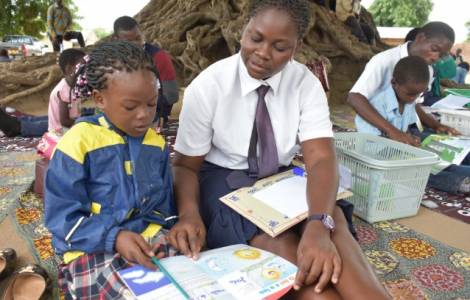
Among the most pressing problems are inadequate infrastructure and a shortage of teaching materials, overcrowded classrooms and low levels of learning achievement, particularly in reading and writing. In some areas, pupils still attend lessons in makeshift facilities, sometimes under trees, while libraries and essential teaching resources remain are insufficient. The high number of pupils per class also makes it difficult for teachers to provide individual attention and address the needs of the most vulnerable students. These difficulties are compounded by reports of corruption, favouritism and sexual harassment linked, in some contexts, to assessments and examinations.
Another growing concern is the presence of alcohol and drugs among young people and, in some cases, within school premises themselves. This phenomenon can fuel violence and delinquent behaviour, further aggravating the difficulties faced by families and communities. In Nampula, for example, incidents associated with the consumption of maakha have been reported, including cases of assault.
Against this backdrop, schools are called to rediscover their fundamental mission: not merely to impart knowledge, but to form individuals capable of living responsibly in society and contributing to the common good.
This is where the vocation of the Catholic teacher assumes particular importance. Faced with the shortcomings of the education system, teachers are called above all to be witnesses to integrity, professionalism and responsibility. Their task extends beyond teaching academic subjects to accompanying young people in their human development, helping them cultivate respect, a sense of duty, tolerance, solidarity and concern for others. Personal example thus becomes an essential part of the educational process.
Rejecting corruption, favouritism, all forms of abuse and discrimination means making a tangible contribution to rebuilding trust in schools and public institutions. Likewise, listening to and guiding young people can help prevent violence and substance dependence.
In a country that continues to face profound social and educational challenges, Catholic teachers can therefore become trusted points of reference and agents of change. Their presence, particularly in the most difficult circumstances, represents a concrete form of service to individuals and the wider community.
Mozambique’s true progress, after all, will depend not simply on the number of schools built or pupils enrolled, but on the education system’s ability to form free, skilled and responsible women and men capable of building a more just and inclusive society.
(AP) (Fides News Agency, 23/10/2026)